When you go to your local butcher, the steak aisle can seem like a maze of choices. With so many different sizes, colors, shapes, and prices, it can be confusing to choose the right cut for you.
The best way to choose a steak is to think about what you value most in a steak - tenderness, flavor, or some combination of those things. Using this ranking, you can make sure you pick the right cut for you and your family!
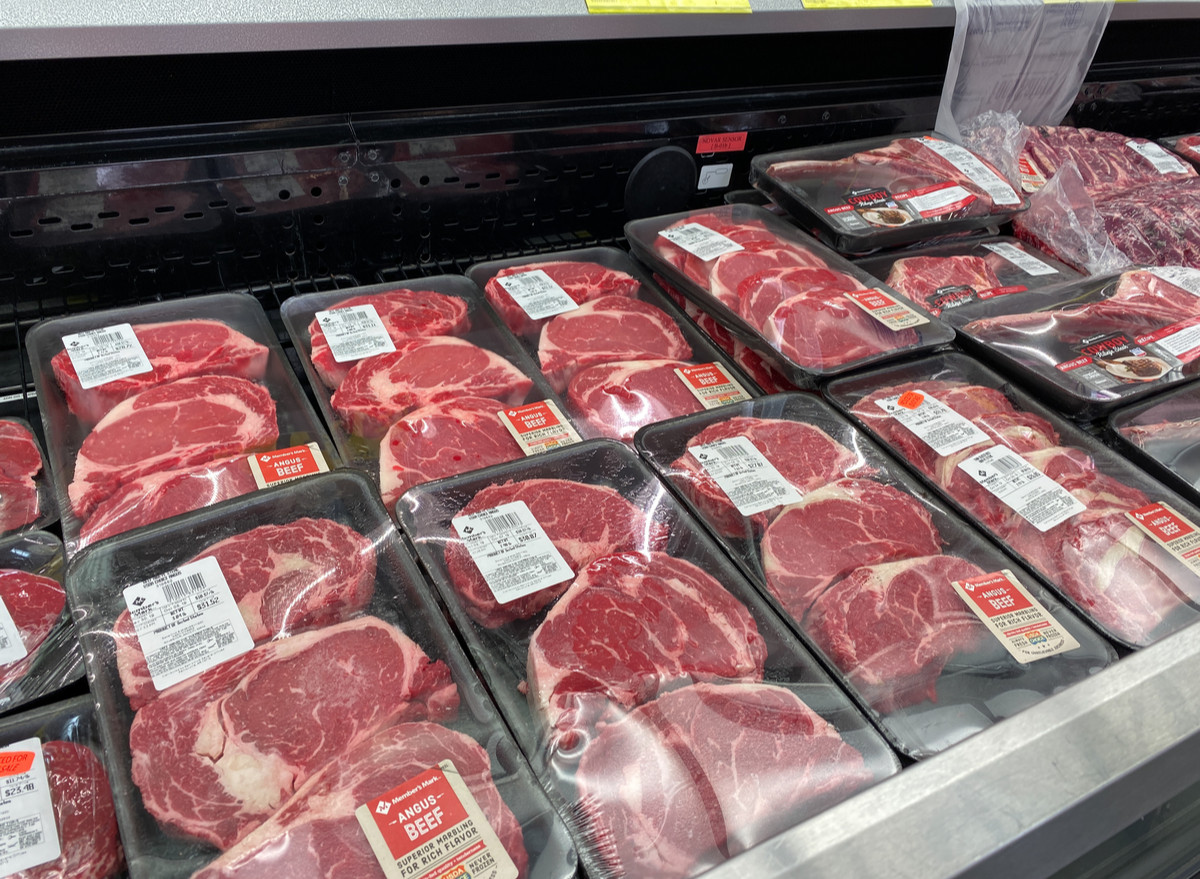
The meat section at your local grocery store or butcher can be overwhelming. Not only are there a variety of different cuts of beef to choose from, but it can also be hard to know which ones to buy.
There are a lot of things to consider when choosing the right cut of steak, including the type of cooking method you like and your budget. But there is one important factor that you should always keep in mind: thickness!
Read more: How Long Should You Grill Steak?
Thicker cuts of beef cook more evenly, making it easier to achieve the perfect sear-to-pink ratio. Whether you’re grilling, pan-frying, or baking your steak, a thick cut will help ensure that the outer surface is charred and the center is juicy.
Another thing to look for when purchasing steak is marbling, which helps to give your steak extra flavor and tenderness. The higher the marbling, the more flavorful your steak will be.
In addition, you should check for quality designations, such as prime or choice. These are based on the level of fat in the steak and can indicate the quality of the meat.
But the most important thing to remember when shopping for steak is that it should have good color and appear moist. It should also be slightly marbled, which is a sign of high-quality meat.
Steak is a delicious and versatile dish that goes with just about any meal. With a little knowledge, you can easily make the best grilled steaks at home! Whether you’re looking to impress a crowd or just get dinner on the table quickly, we’ve got the tips and tricks you need to choose the right cut of steak.
Steak is one of the most popular and versatile foods in the world, but a trip to the butcher counter can be overwhelming. There are many different types of steaks, and each has its own unique qualities, such as marbling (red meat that contains different amounts of intramuscular fat), tenderness, and price.
A good steak starts with the right cut. The wrong cut can make the steak tough, dry, and bland. It can also cause you to overcook it, which can wreak havoc on the tenderness of the meat.
To get the best steak possible, you want to pick a cut that's about an inch and a half thick. This thickness will help you achieve the perfect balance of a crispy sear on the outside and a juicy pink center. It will also ensure that the inside of your steak is cooked to a perfect medium-rare to medium-medium temperature without burning it.
Another important factor to consider when buying a steak is the grade. There are two USDA grading systems for beef: Prime and Choice. Prime is the higher-quality and more expensive option, while Choice is a cheaper cut that has more lean meat. The main difference between the two is that Prime beef is usually grass-fed while Choice is grain-fed.
Ribeye, filet mignon, and T-bone or porterhouse are some of the most popular cuts of steak in the United States. These three steaks have a strong beef flavor and are also considered the most tender. However, these three steaks are also the most expensive.
The steak aisle of your local supermarket can be a bit overwhelming. Trying to pick out the best cut of meat from all the other choices can be a challenge, especially when you're looking for a tasty entrée that is sure to please the whole family. The key to making the task easier is to understand what you're looking for. With a little bit of research and a few well-placed questions you'll be on your way to savoring a delicious piece of beef that is worthy of your discerning palate.
The icing on the cake is that you can choose from a wide variety of cuts that are both flavorful and tender enough to feed a hungry crew, no matter what time of day it is. The next step is to identify the cut that most closely matches your cooking style. The best way to do this is to read up on the various cuts so you know what you're buying. Using the information you glean, you'll be on your way to enjoying the finest steak your tastebuds have ever experienced!
See more: https://tasteofsiamstoneham.wordpress.com/
When it comes to grilling steak, there are a few tips that can help you get the results you want. These include ensuring that the meat is at room temperature, using the correct cooking temperature, and avoiding overcooking.
Choosing the right cut is also important, as it can affect how the steak cooks and whether you’ll be able to enjoy it at its peak quality. Generally, beef cuts that have a high amount of fat marbling are better for grilling, because the fat will help tenderize the meat and prevent flare-ups on the grill.
Another tip is to choose a steak that’s not too thick, as it will be harder to overcook. You can also use a thermometer to ensure that your meat is cooked to the perfect level of doneness, though some people prefer using timers.
Once you’ve found a cut that you like, it’s time to start prepping the meat for grilling. First, make sure the steak is at room temperature and pat it dry with a paper towel. Next, season it generously with salt and pepper.
Aside from seasoning, you’ll need to pre-heat the grill before you begin cooking. This will help the steak sear on the outside, which is essential for achieving those delicious grill marks that add to the flavor of the meat.
Once you’ve grilled your steak, check the temperature with an instant-read meat thermometer. For medium-rare steaks, it should read between 130 and 135 degrees Fahrenheit; for well-done steaks, it should be about 140 degrees F. You’ll know your steak is ready to serve when it’s slightly pink in the center and a little squishy with your finger.
You can easily get overwhelmed by the plethora of meat cuts available at the butcher counter. The selection can also be confusing if you're not familiar with the differences between them, which is why it's important to learn how to choose the right cut of steak.
The first step in selecting the right steak is to consider its quality. If you can, look for a cut that is labeled prime or choice. These designations are based on marbling, which is the fat that runs through the muscle. Marbling creates the tenderness and flavor you expect from a great steak.
Another important factor to consider is thickness. A steak that's too thin can cook quickly and lose its crisp sear on the outside and tender pink center. Thicker cuts allow you to cook them longer and more evenly, ensuring that your steak is cooked perfectly each time.
Regardless of the type of steak you're choosing, it is essential to season it before cooking. Salt and pepper are the simplest options, but you can also add other flavors if you want to amp up the meat's flavor.
When you're selecting a steak, be sure to purchase it from a butcher that has a good reputation in your area. Buying from a local butcher that knows the best way to prepare and store your beef will help you ensure that it stays fresh until you cook it. Once you've made this decision, you can be confident that you're picking a quality cut of steak.