When it comes to grilling steak, how long you cook it depends on a number of factors: the type of steak, its thickness and how well done you like it.
Generally, you'll want to cook steaks until they reach your desired level of doneness. This will take some time depending on the thickness and temperature of the meat.
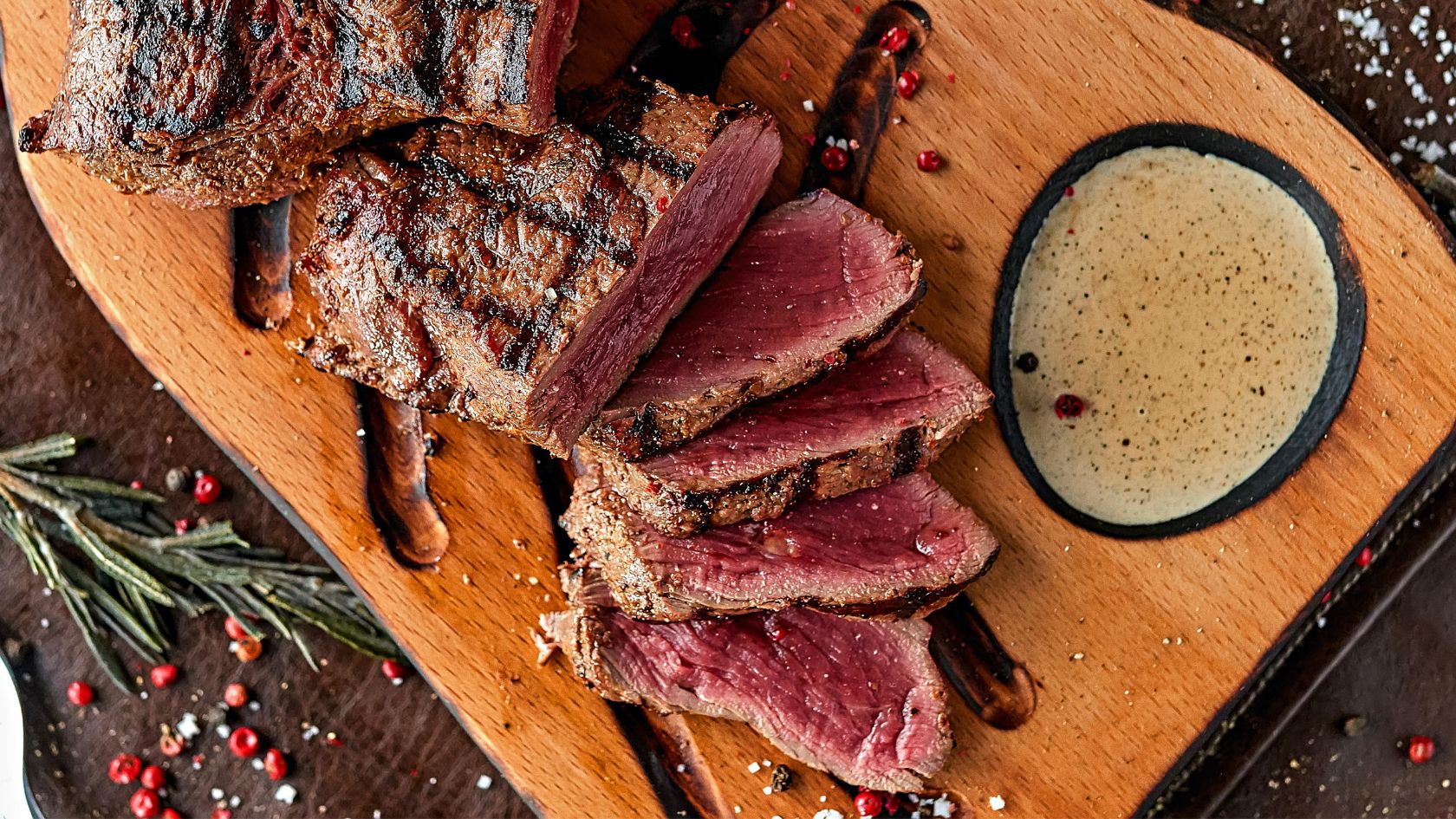
Grilling steak is a summer cookout staple. It's easy, and the results are always delicious. But there are a few things you need to know before you start grilling.
There are a few factors that affect the way grilled meat tastes, and knowing these will help you get the best steak possible. These include the type of cut you use, how well it's seasoned, and what temperature you're cooking it at.
The first step is choosing a high-quality cut of meat, like ribeye or filet mignon. These cuts are typically richer in marbling and have fatty acids that lend them an especially tasty flavor, says Jerrad Legako, a meat scientist at Texas Tech University in Lubbock.
Another factor that affects the flavor of your steak is how long it's cooked for. Rare steaks take a little longer to reach their ideal internal temperature, and they tend to dry out more than medium-rare ones.
Using a digital thermometer, check the internal temperature of your steak and then adjust the cooking time accordingly to achieve your desired doneness. A good rule of thumb is to remove the steak a few degrees before it reaches your ideal doneness, and then allow it to rest for several minutes so it can re-heat to its optimal temperature.
Aside from cooking your steak to the right degree of doneness, you should also season it well. A little salt and pepper, on both sides of the steak, is usually enough to give it a nice, tasty flavor.
The most important thing to remember when cooking steak is to never overhandle it. This can dry out the meat and cause it to lose flavor and tenderness. You should also allow the steak to rest for a few minutes before slicing into it. This will let the juices redistribute throughout the steak, which will make it even more juicy when you cut it.
Steak is a thick cut of meat that's often grilled. It's a popular dinner dish that's often accompanied by potatoes, vegetables, and sauces. It's also commonly fried, diced, or minced and formed into patties like hamburgers.
The term steak is used to refer to a number of different cuts of red meat, including beef and fish. Beef steaks are usually a thick cut of meat that has been sliced across the muscle fibers, sometimes including a bone.
Most steaks come from three prime areas on a cow: the short loin, tenderloin, and ribs. These muscles are low in connective tissue and do little work, which makes them extremely tender when cooked properly.
However, there are a few other factors that can make a difference in how tender a steak is. One of the most important is how much fat it has.
A steak's natural marbling can be very important for tenderness and flavor. It's a thin line of fat that runs through the muscle, and it helps the steak cook more evenly and retain its tenderness.
Another factor to consider is the size of the steak. Larger cuts, such as strip steak, will take longer to cook than a smaller one. This means you'll need to be more careful with the cooking process and make sure to watch it closely to ensure it's not overcooked.
If you're looking for a high-quality steak, look for the quality designations that many butchers offer, such as prime or choice. These are based on the amount of marbling in the meat, and they typically cost more than lower-quality cuts.
If you're looking for a super-tender cut of meat that's full of beefy flavor, hanger steak is an excellent choice. It's a relatively inexpensive cut of meat that comes from the plate or belly section of the cow and has a delicious beefy flavor.
Grilling steak is an excellent way to add flavor and a delicious crust to the outside of your meat. The key is to keep the internal temperature of the steak high enough so that it is done but not overcooked.
You should preheat the grill to a temperature of about 450 degrees Fahrenheit before placing the steak on the hot grates. For a perfect crust and those signature grill marks, you should sear each side of the steak for about 2 minutes.
When the internal temperature of your steak reaches about 135 degrees for medium-rare or 140 degrees for medium, remove it from the grill. You may need to move the steak to a lower heat area and close the lid to help trap the remaining heat.
Another important thing to remember is to allow the steak to rest for 5 to 10 minutes after it comes off the grill before cutting or serving it. This allows the juices to redistribute throughout the meat and helps the steak finish cooking evenly and properly.
It's also a good idea to season your steak well before you grill it. A good quality cut of meat will be naturally seasoned with salt, but you can add other flavors such as garlic powder or a savory marinade before grilling to further enhance the flavor.
Besides seasoning, the key to a perfectly grilled steak is making sure you have the right type of beef on hand. Steaks come in a variety of grades, but you should always look for USDA Prime beef when buying your steak. This grade denotes that the steak adheres to strict USDA standards.
The time it takes for steak to cook varies depending on the thickness and doneness level of the meat. Typically, medium-rare steaks will need 3-4 minutes per side on the grill, while thicker cuts or those that you want to be more well done may need up to 8 minutes.
To ensure even cooking on your grill, only flip your steak once during the entire cooking process. You can use a simple touch test to determine whether it's done; just poke the steak a few times in several places.
You can also use a thermometer to check the internal temperature of your steak. This is the best way to know if it's ready for eating because you can stick the probe in the meat, away from fat, bone or gristle.
When your steak is done, it should be warm through the center and lightly charred on the outside with bright red meat in the middle. It's best to cut against the grain of the meat (not parallel) for more tender bites.
The meat should be seasoned generously before it hits the grill, with salt and pepper patted into each piece of meat. This will give the meat a lot of flavor and also draw out moisture, helping to tenderize it as it rests.
It's important to let your steak rest for at least three minutes after it's cooked to allow the muscles fibers that make up the meat to relax and stretch. This allows the juices to redistribute and remain in the steak instead of pooling on your plate.
A rare steak will be pink on the outside and warm in the middle, while a medium rare steak will be a bit more pink but still slightly warm in the center. Generally speaking, steaks are done when the inside of them reaches an internal temperature of 125 degrees Fahrenheit.
The grill is a great place to add some flavor to steak. The high heat of the grill breaks down fatty acids into smaller molecules called volatiles that give meat its unique aroma and flavor. These volatiles are responsible for the flavorful roasty, nutty aroma that steak aficionados love so much.
It also helps to choose a high-quality cut of steak. Steaks with plenty of marbling, intramuscular fat and tender muscle are the best types to cook on the grill. These include the tenderloin, New York strip, rib eye, top sirloin and t-bone.
Once you’ve found the right steak for your grill, you need to decide how long to cook it. The length of time varies depending on the type of meat, thickness and cooking temperature. But the general rule is to allow your steak to cook for about 4 to 6 minutes on each side, depending on its thickness.
If you’re unsure how long to cook your steak, the best thing to do is to check with your finger or use a meat thermometer to get an idea of the desired doneness. You’ll want to avoid overcooking your steak, as it will lose its back tenderness and become too dry.
Once you’ve grilled your steak to the perfect level of doneness, it’s important to let it rest for a few minutes before serving. This allows the steak to continue to cook and the flavorful juices inside to settle and return to the surface of the meat. You’ll then be able to enjoy your steak to its fullest potential.